Now that I have established a broad overview of the city, it’s time to explore the finer details of the trip. New Orleans is a prominent city in high school literature such as The Awakening by Kate Chopin and A Streetcar Named Desire by Tennessee Williams. The first time I heard of the city was when I read A Good Night For Ghosts, a novel that is part of the Magic Tree House series. That series taught me so much!
While walking around the streets of New Orleans I caught some interesting information about the city. New Orleans’s nicknames are “Nola” and “The Big Easy.” The entire city is built below sea level, sometimes up to six to eight feet. Levees keep the Mississippi River from flooding the city. Every time it rains, the city has to be pumped out. Imagine that! Also, the cemeteries in New Orleans are all above ground because once you dig six feet into the earth, you will hit the water.
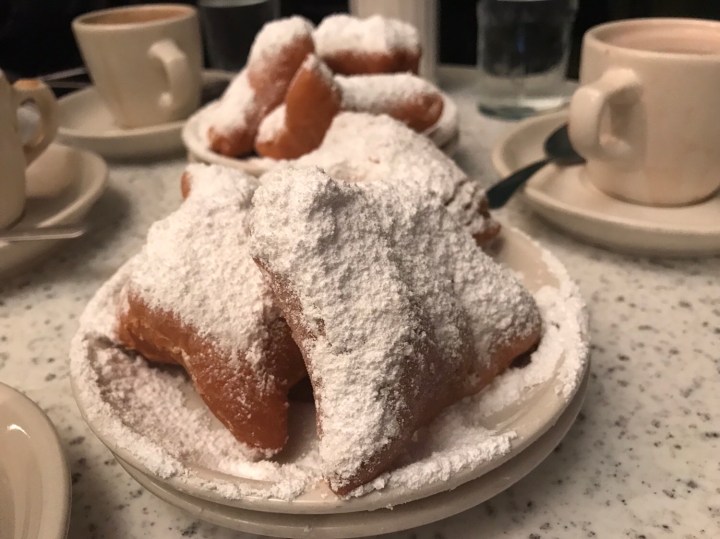
There are so many tourist traps in the city that we had to try at least one. The one everyone knows is Cafe Du Monde. The cafe serves regular beverages, like water and coffee, and only one type of food–beignets. Beignets are fried squares of dough with tons of powdered sugar dumped onto them. After trying out what the cafe had to offer, I am not sure why so many people line up to eat and drink at this place. The beignets were tasty, but they were not spectacular enough for me to want to wait half an hour to eat them. The cafe building itself is rather small–it only seats around ten parties. There are many outside seats, though. It is extremely crowded and there are powdered sugar and spilled drinks strewn all over the tiled floor. The waiters and waitresses are clearly overworked, and I felt that at any moment powdered sugar would explode over my head or a drink would spill over my head. There is even a shop across the street that sells Cafe Du Monde merchandise! But props to the cafe for creating this phenomenon.
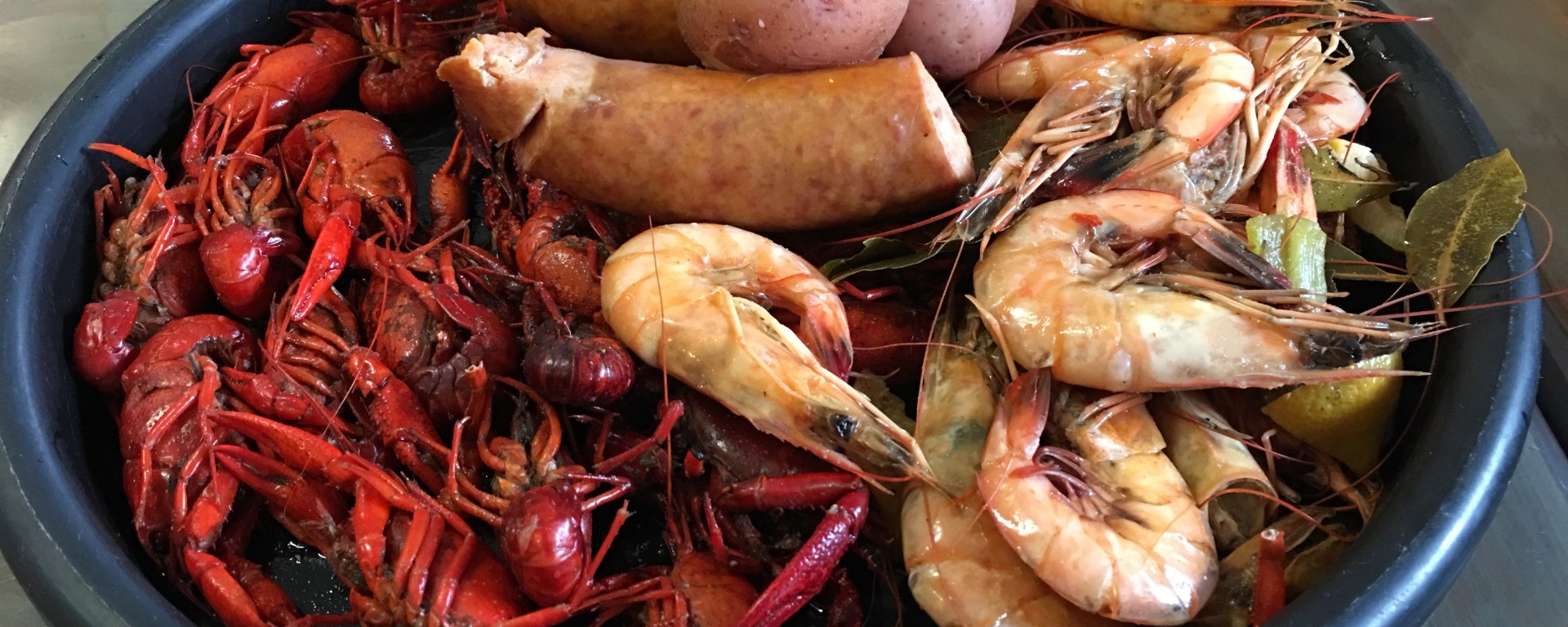
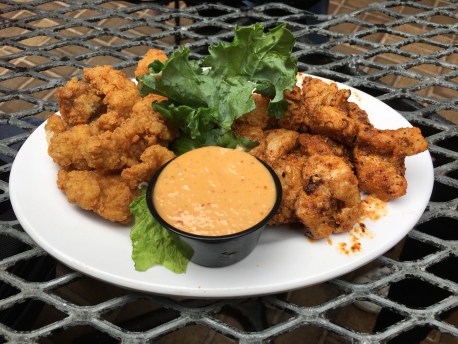
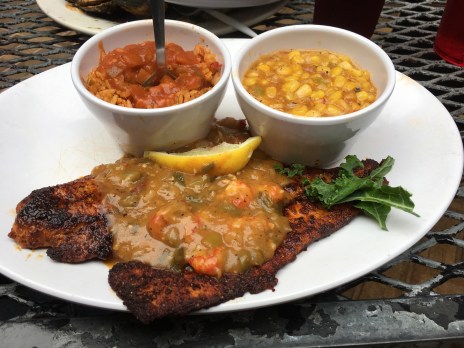
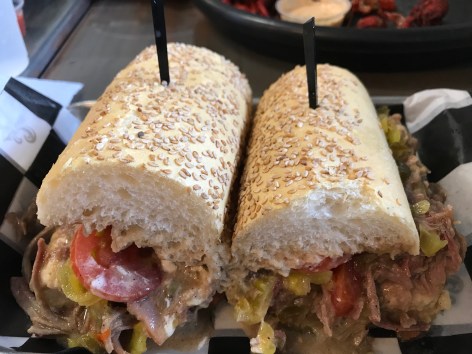
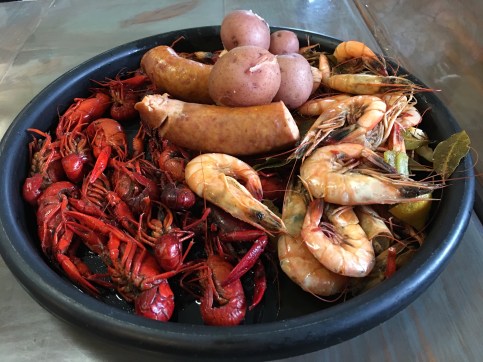
Aside from beignets, crawfish and oyster are very popular in New Orleans. People boil crawfish in spicy water to maximize flavor. You have to break the heads, suck on the head juice, and then break open the shell to dig out the meat. Compared to the crawfish’s entire body, the amount of meat is extremely small, but the experience of cracking open the crawfish is fun! Other signature foods of New Orleans include poboys (they are basically subs), redfish, and alligator meat! This was my first time trying alligator meat. It has the taste of chicken but the texture of squid. Quite confusing.
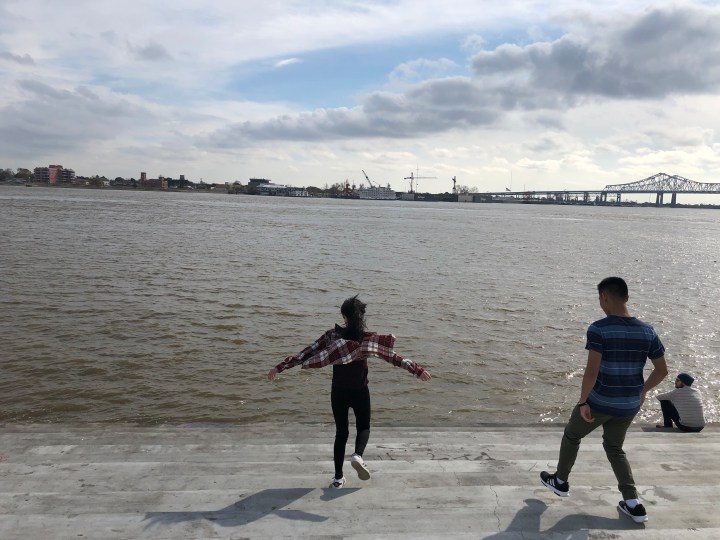
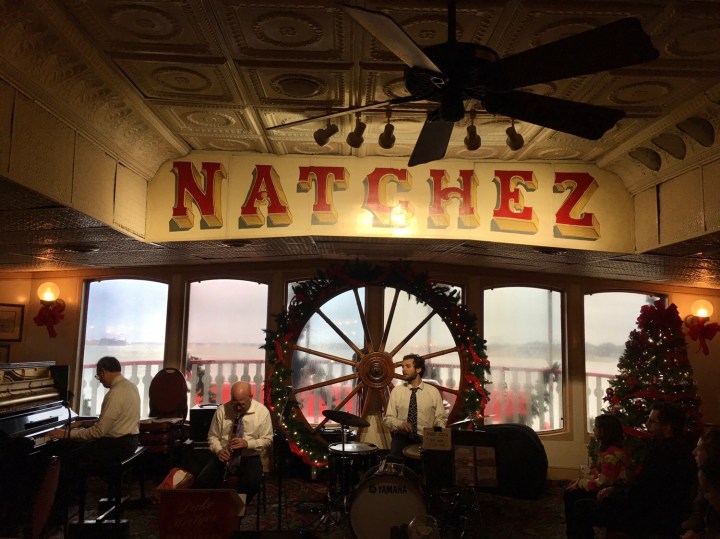
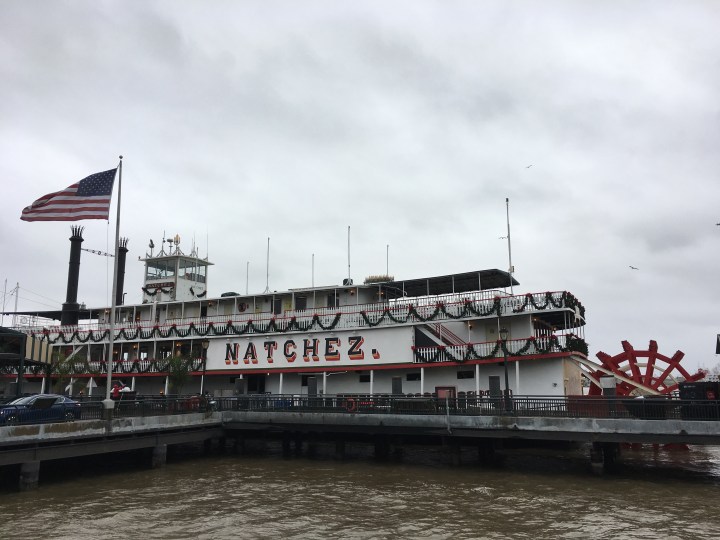
One tourist attraction that is worth going to is riding the Steamboat Natchez. The steamboat is the last authentic steamboat of the Mississippi River. The two-hour cruise took us down and up the Mississippi River and featured a jazz ensemble consisting of clarinet, piano, and drum set. I really have only been exposed to classical music and classical clarinet. The jazz I have listed to featured mainly sax and brass instruments, so even this small performance was a big eye-opener for me in terms of jazz clarinet. The tone of jazz clarinet is much more open and “wailing” than that of classical clarinet, with a lot more glissandos. One thing I really regret from this trip was not listening to enough music–jazz, Dixieland, blues, genres such as those. There is only so much we could do in two and a half days, though, and I think we made the most of what we could.
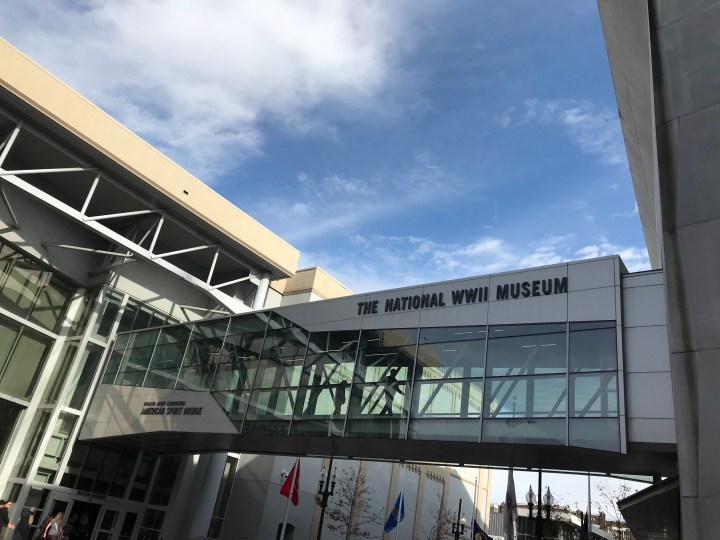
Our last stop was the National World War II Museum. Why is the WWII Museum in New Orleans? According to the FAQs on their website:
“New Orleans is home to the LCVP, or Higgins boat, the landing craft that brought US soldiers to shore in every major amphibious assault of World War II. Andrew Jackson Higgins and the 30,000 Louisiana workers of Higgins Industries designed, built and tested 20,000 Higgins boats in southeastern Louisiana during the war. Dwight Eisenhower once claimed that Higgins was “the man who won the war for us.” (MLA in-text citation? Nah.)
I could not have said it better myself.
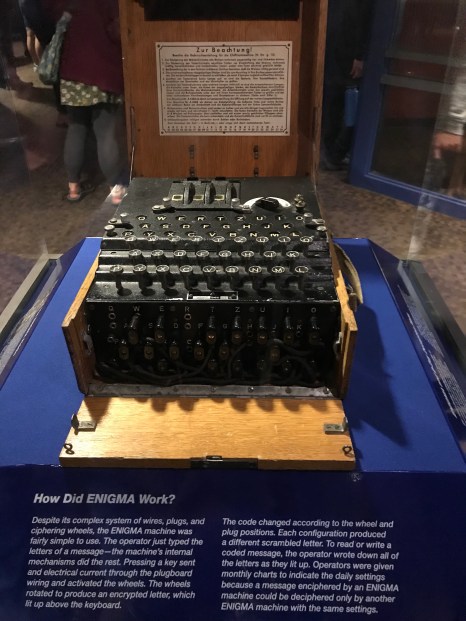
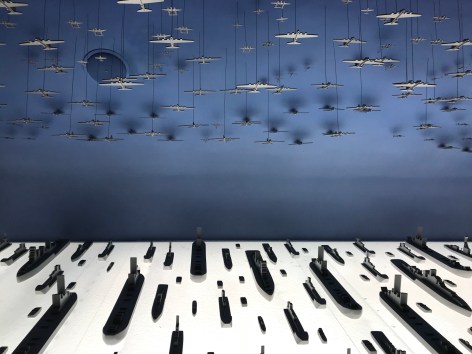
The National World War II Museum is rated the second best museum in the United States, and it is easy to see why. A visitor can go into the museum without any bit of prior knowledge of world history and come out as a scholar of World War II. You can spend an entire day in there and you still would not be able to finish visiting all the exhibits. The museum is broken up into sections such as The European and Pacific Theaters (this section explained most of the chronological events of the war and gave an insight to a servicemember’s experience to the war), The Louisiana Memorial Pavilion (this section contains the original D-Day exhibit), and The Solomon Victory Theater (this section is a 4-D theater that allows you to almost tangibly experience WWII). I am no history buff, but visiting the museum gave me a much broader outlook on international affairs and the way the war affected individuals’ lives.
That sums up my New Orleans visit. It was quite a shock immediately adjusting to the Northeast winter weather, but after January and February things will warm up quite soon. I am definitely looking forward to spring.
Katie
 Katie Tan